
The Quiet Heroes of Our Planet: Why Animal Conservation Matters More Than Ever
Have you ever thought about what the world would look like without birds singing in the morning, elephants roaming through forests, or sea turtles making their way across the ocean? It is a difficult picture to imagine, yet it is becoming a reality for many species around the world. Every year, countless animals face growing threats from habitat loss, pollution, climate change, and human activities. While these challenges may seem distant from everyday life, they affect the delicate balance of nature that supports us all. Animal conservation is not simply about protecting wildlife. It is about preserving the natural systems that provide clean air, fresh water, healthy ecosystems, and a better future for generations to come.
Every Species Plays an Important Role
Nature is connected in ways that are often invisible to us. Every animal, from the smallest insect to the largest mammal, has a purpose within its ecosystem. Bees help pollinate crops and plants, birds spread seeds that allow forests to grow, and predators keep animal populations balanced. When one species disappears, it can trigger a chain reaction that affects many others. This is why conservation efforts focus on protecting entire ecosystems rather than individual animals alone. By safeguarding wildlife, we help maintain the natural balance that supports life on Earth.
Why Wildlife Is Facing Greater Risks Today
The challenges facing wildlife today are more serious than ever before. Rapid urban development, deforestation, pollution, and climate change are reducing the spaces where animals can safely live and reproduce. Many species are being pushed into smaller habitats, making it harder for them to find food and shelter. Plastic waste continues to harm marine life, while rising temperatures are changing migration patterns and disrupting ecosystems. As these pressures increase, more animals are being added to endangered species lists. Without stronger conservation efforts, some species may disappear forever within our lifetime.
Small Actions Can Lead to Meaningful Change
Many people assume that protecting wildlife is a responsibility reserved for governments and environmental organizations. While large scale efforts are important, individual actions also make a difference. Reducing waste, supporting sustainable products, conserving resources, and educating others about environmental issues all contribute to conservation goals. Even small lifestyle changes can create positive effects when adopted by enough people. Conservation is not always about doing something extraordinary. Often, it begins with making thoughtful choices in daily life that help reduce harm to the environment.
Creating a Stronger Connection With Nature
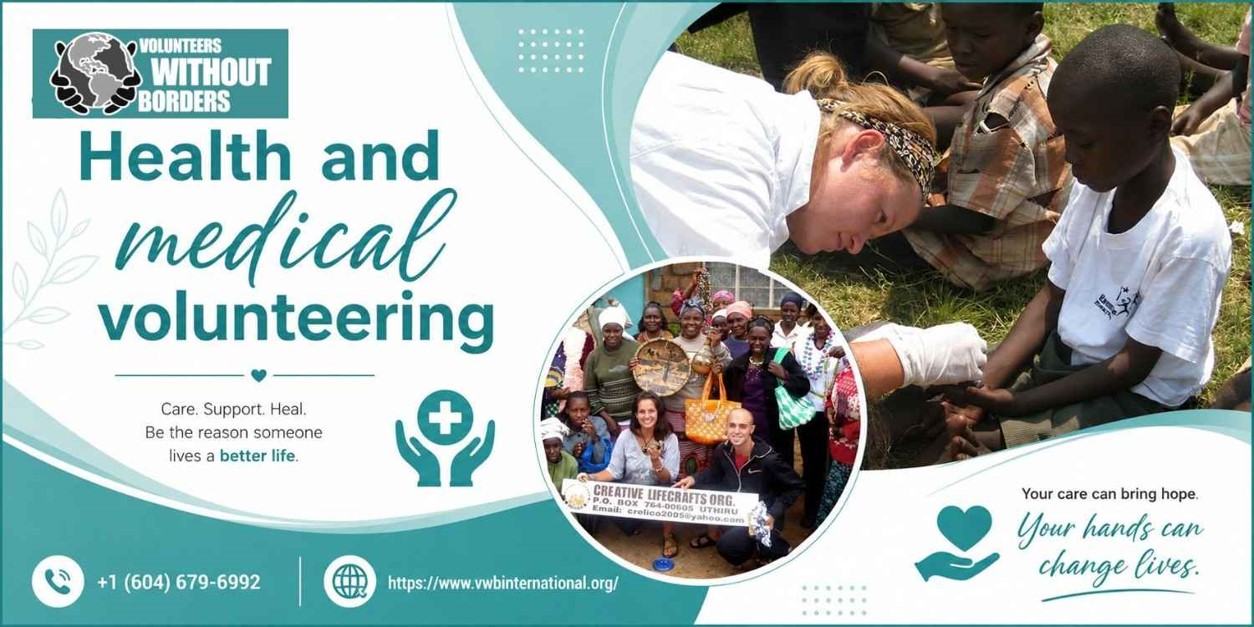
One of the most effective ways to encourage conservation is by helping people reconnect with nature. When you spend time outdoors and observe wildlife in its natural habitat, you develop a deeper appreciation for the world around you. Visiting parks, nature reserves, and wildlife sanctuaries can inspire a stronger sense of responsibility toward environmental protection. Many people involved in Health and medical volunteering programs also discover how closely human wellbeing is linked to a healthy environment. Cleaner ecosystems support healthier communities, showing that conservation benefits both people and wildlife.
Education Inspires Future Conservation Leaders
Education remains one of the most powerful tools in protecting wildlife. When people understand the importance of biodiversity and environmental stewardship, they are more likely to support conservation efforts. Schools, community organizations, and awareness campaigns play a vital role in teaching people about endangered species and ecosystem protection. Young people who learn these values early often carry them into adulthood, creating a new generation of environmental advocates. Knowledge encourages action, and action creates change.
A Shared Responsibility for the Future
Protecting wildlife is not the responsibility of one country, organization, or group of people. It is a global effort that requires cooperation and commitment from everyone. Across the world, individuals dedicate their time and energy to projects focused on Animal conservation, helping restore habitats, protect endangered species, and raise awareness about environmental issues. Their efforts demonstrate that meaningful progress is possible when people come together with a common purpose.
Conclusion
The future of wildlife depends on the choices we make today. Every species has value, every ecosystem matters, and every conservation effort contributes to a healthier planet. By supporting conservation initiatives, spreading awareness, and making environmentally responsible decisions, you can help protect the incredible diversity of life that makes our world so unique. The goal is not only to save animals but to preserve the natural beauty and balance of the Earth for future generations. The time to act is now, because once a species is lost, it can never be replaced.





Leave a Reply