
When Your Home is Soggy and Stressed — Real Talk About Water Woes in Clinton, MD
Ever walked into your basement after a heavy rain and just felt that soggy smell hit you in the gut first… before your eyes even saw the puddles? Yeah, me too. Water damage sneaks up quickly, and suddenly your favorite cozy corner feels more like a cold, damp cave. If you live in Clinton or nearby parts of Prince George’s County, you know how quickly storms and old pipes can team up to make a mess we never asked for. That’s why understanding what to do when your walls, floors, or basement take on water matters more than you might think.
In this post, I want to talk about the real stuff — the simple, honest advice about bouncing back when water crashes your home party. I’ll share some down-to-earth tips that helped folks get through sticky situations, plus what kinds of services you might hear about around town. Let’s dig in without sounding like a manual.
How Water Damage Sneaks Up on You
Water doesn’t always announce itself with crashing floods or dramatic leaks. Sometimes it arrives slow, creeping into drywall or under floors, leaving behind stains and that musty scent that’s hard to shake. A dripping pipe behind a wall, a busted sump pump after a rainstorm, or even a forgotten spill that soaked through layers — all of these can quietly turn into a bigger problem. The worst part is that a tiny wet spot can hide deep moisture that’s already doing damage. That’s where knowing the signs can save you a lot of headaches later.
If you start seeing warped floors, peeling paint, strange odors, or damp carpets, don’t chalk it up to “just wear and tear.” That’s your cue to act fast before mold sets in and things get costlier.
Start With What You Can Do Right Away
When you first spot water damage, your first thoughts might turn to fixing it yourself. And while a bucket and some fans can help with tiny spills, there are a few smart moves you can make right away:
- Stop the source if you can. If a pipe burst, just shutting off the main water to the house can stop a lot of pain.
- Move what matters. Pull furniture, electronics, and rugs out of the wet zone so they don’t soak up more moisture.
- Airflow is your friend. Open windows, run fans, and crank up the airflow to help dry things out.
These little steps alone won’t fix deep damage, but they buy you time and limit how much moisture gets a chance to create bigger issues.
What Really Helps When Things Get Worse
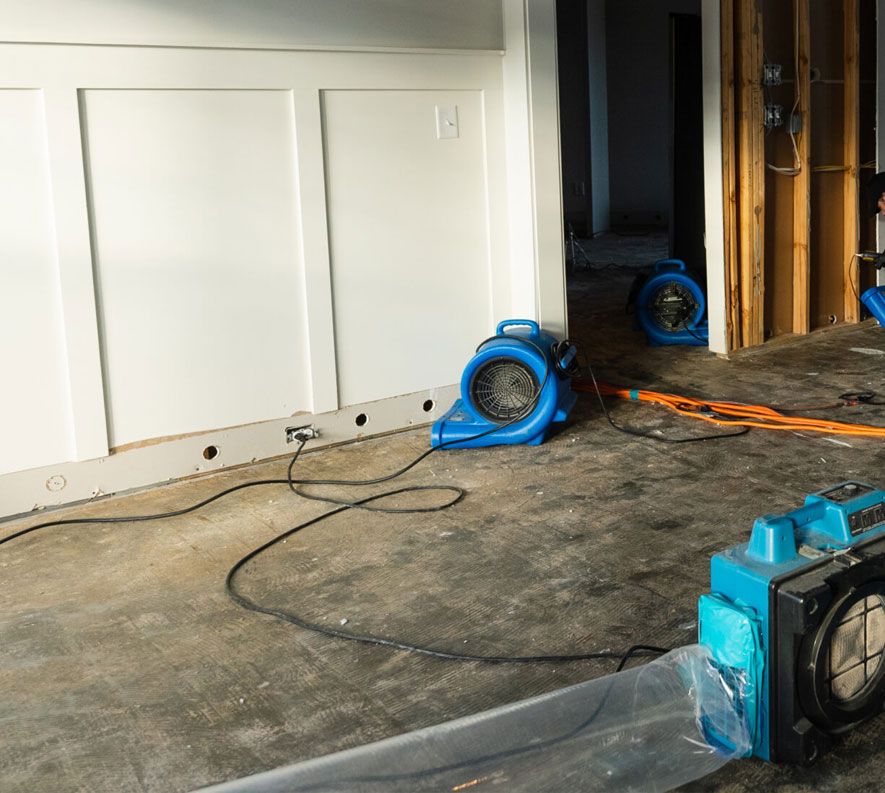
Once water has soaked into floors and walls, the game changes. That’s when deeper cleanup and drying becomes critical. Lots of folks rely on a team that offers professional water restoration service in Clinton, MD to tackle the heavy lifting. These folks bring in industrial-strength pumps and dehumidifiers that actually pull all that hidden water and moisture out of the wood, concrete, and carpet.
From what many locals have learned, the process usually goes something like this:
- Inspection and assessment. This part makes sure you know exactly how much damage there is — even the stuff you can’t see at first glance.
- Water extraction and drying. With the right gear, standing water gets pulled out, and then the drying begins in earnest.
- Cleaning and sanitizing. Water’s nasty — it brings germs with it. Cleaning prevents stink and odors later.
- Repair and restore. This can mean replacing drywall, putting in new flooring, or fixing what the water ruined.
When you’re dealing with soggy sheetrock and creaky wood, expert help isn’t just a luxury — it’s what stops mold before it spreads and costs way more in headaches down the road.
Tips to Make the Whole Thing Less Stressful
Let’s be real. Water damage doesn’t exactly show up at convenient times. It’s often loud, messy, and confusing. So here are some practical pointers most folks wish they knew before disaster hit:
- Document everything. Take photos of the damage as soon as you see it. This isn’t just for your own memory — it helps if you end up talking with your insurance later.
- Stay safe first. If water is near outlets or appliances, cut the power at the breaker. Wet electricity is no joke.
- Don’t wait. Moisture left alone for a couple of days can cause mold that’s harder to remove and spreads faster than you think.
- Ask questions. If someone comes to assess the damage, make sure they explain what they’re doing and why. Knowledge takes a lot of stress out of the process.
People always say “just call the pros,” but mixing in a little awareness and quick action from you makes that call even more effective.
Looking Ahead Without Fear
I know it feels overwhelming when water creeps where it shouldn’t. Seeing your floors warp or walls bubble sucks. But dealing with it doesn’t have to wreck your peace of mind. A bit of quick action at the start, paired with the right know-how and tools, can put things back on track way faster than you expect.
What’s even better is the confidence that comes from knowing you’re not alone in it — lots of folks in Clinton have been through the same storm, literally and figuratively. Whether it’s a sudden flood from heavy rain, a pipe that betrayed you, or old moisture you finally noticed, there’s a way through it.
Take a breath, take a step, and tackle one part at a time. You’ve got this. And when things feel messy, remember — every bit of water that leaves your home is a little victory.





Leave a Reply