
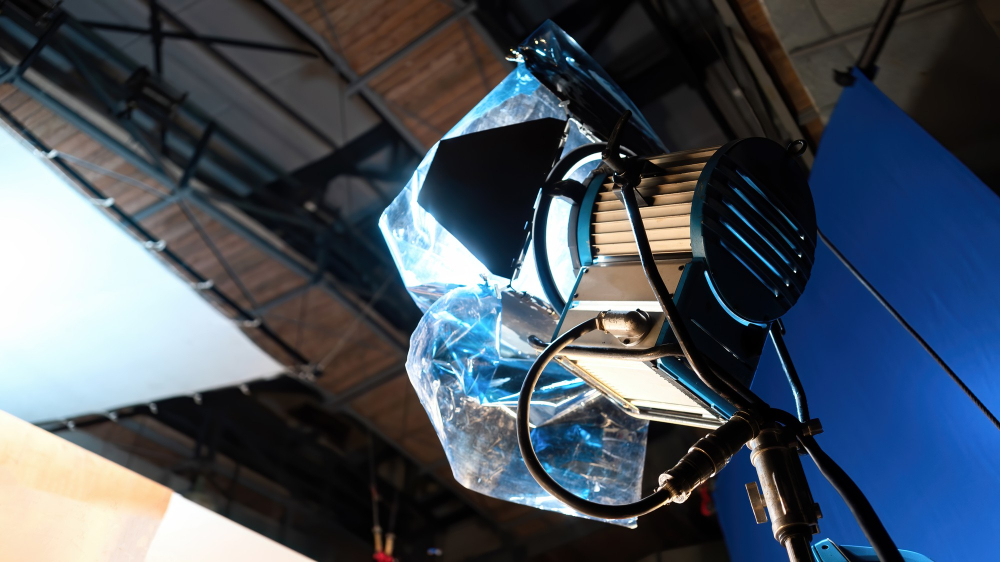
How the Right Event Lighting Can Transform Any Occasion
Great events are about more than a good venue, clear sound, and an interesting programme. Lighting also plays a major role in shaping the atmosphere, guiding the audience’s attention, and making every moment feel special. Whether you are organising a business conference, wedding, product launch, concert, or community celebration, the right lighting can make a noticeable difference. With suitable Event Lighting Hire, organisers can create a welcoming environment, highlight important areas, and make the entire event look more professional without making the setup unnecessarily complicated.
Why Lighting Matters at Every Event
Lighting affects how people experience a space from the moment they arrive. Bright, balanced lighting can help guests feel comfortable during presentations, while softer tones can create a relaxed atmosphere for networking or evening celebrations. At concerts and award ceremonies, changing colours and focused beams can build excitement and draw attention to the stage. Even smaller events can benefit from thoughtful lighting choices. Instead of treating lighting as a last-minute detail, organisers should consider it early in the planning process so it supports the event’s purpose, venue, and overall design.
Choose Lighting That Matches Your Event
Every event has different requirements, so there is no single lighting setup that works for every occasion. A corporate conference usually needs clear stage lighting that allows speakers to remain visible, while a wedding may call for warm tones and decorative effects that complement the venue. Product launches often benefit from focused lighting that highlights displays, branded areas, or featured products. Before choosing equipment, think about the mood you want to create and how guests will use the space. Sharing these details with your event production team can help you select suitable fixtures and avoid paying for effects that do not add real value.
Make the Stage the Centre of Attention
For events with speakers, performers, or presentations, the stage should be one of the main priorities. Poor lighting can leave presenters in shadow or create distracting bright spots that make it difficult for guests to focus. Front lighting helps audiences see faces clearly, while carefully positioned side lighting can add depth and improve the stage’s appearance. If the event includes a large screen, lighting should also be planned to avoid unnecessary glare or washed-out visuals. A balanced setup helps the stage look organised and makes it easier for the audience to follow what is happening.
Use Colour to Create the Right Atmosphere
Colour can change the feeling of a room without requiring major decorations or expensive venue changes. Warm white and amber tones often suit dinners, networking sessions, and elegant celebrations, while cooler colours can give technology events and product launches a modern appearance. Coloured lighting can also support event branding by using shades that match a company’s visual identity. However, it is important not to use too many colours at once. A simple, consistent palette usually looks cleaner and helps the event feel coordinated. Organisers should also consider how colours will appear in photographs and videos before making their final choices.
Consider the Venue Before Booking Equipment
The size, layout, ceiling height, and natural light of a venue all influence the lighting equipment required. A small meeting room may need only a few well-positioned fixtures, while a large hall or outdoor stage may require more powerful lights and additional support equipment. Outdoor events need special attention because daylight can change quickly, and weather conditions may affect the equipment setup. Venue restrictions, available power, rigging points, and safety requirements should also be checked in advance. Providing accurate venue details when arranging lighting helps the technical team prepare a practical setup that fits the space.
Plan Lighting for Photos and Live Streaming
Many events now include photography, video recording, or live streaming, making lighting important beyond the people sitting in the room. A setup that looks attractive in person may create harsh shadows or uneven skin tones on camera. Consistent lighting across the stage helps cameras capture clear footage, while controlled background lighting adds visual interest without distracting viewers. If the event will be streamed online, discuss camera positions and lighting levels with the production team before the event begins. A short technical rehearsal can reveal problems early and give the team time to make adjustments.
Work With the Technical Team Early
Lighting decisions become easier when organisers involve the technical team during the early planning stages. Share the event schedule, venue layout, stage design, presentation requirements, and any special moments that need attention. This information helps the team plan lighting changes for speaker introductions, awards, performances, or other important parts of the programme. It also reduces the risk of last-minute changes that can create delays or additional costs. A clear plan gives everyone a better understanding of their responsibilities and helps the event run smoothly from setup through pack-down.
Conclusion
Good lighting does more than brighten a room. It creates atmosphere, improves visibility, supports presentations, and helps guests connect with the event. By choosing equipment that suits the venue, planning colours carefully, and considering photography or live streaming needs, organisers can achieve a more polished result. The key is to start planning early and focus on what the audience needs to see and feel. When lighting works alongside sound, staging, and event design, even a simple gathering can become a memorable experience.




Leave a Reply