
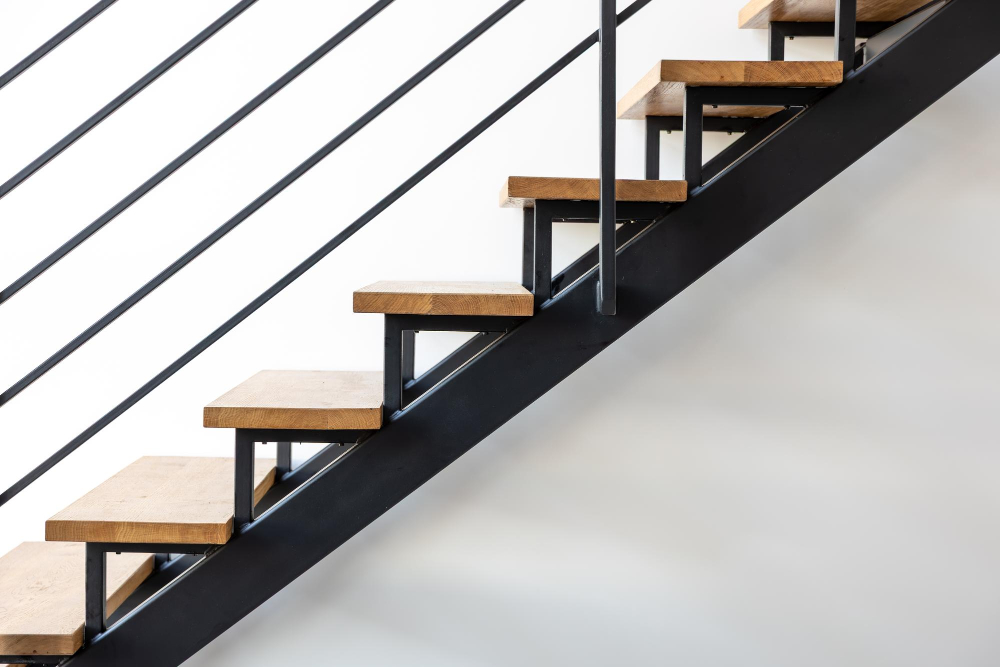
How the Right Staircase Can Transform the Feel of Your Home
A staircase is one of those features that can completely change how a home feels, yet it is often treated as nothing more than a practical way to move between floors. Think about the staircase in your own home for a moment. It probably sits in a central part of the property, catches your eye every time you walk past, and gets used countless times throughout the day. That makes its design, construction, and overall feel far more important than many people realize. A well planned staircase can bring together different areas of a home while adding warmth, character, and a sense of craftsmanship.
For homeowners renovating an older property, building an extension, or simply wanting to improve an existing interior, a custom staircase can offer an opportunity to create something that genuinely belongs in the space. The right proportions, materials, and details can make a staircase feel like a natural part of the architecture rather than an afterthought.
Why a Staircase Deserves Careful Planning
It is easy to focus on flooring, walls, kitchens, and furniture when planning a renovation, but the staircase deserves the same level of attention. Its position and proportions can influence how people move around the home, how much natural light reaches nearby areas, and how connected different rooms feel.
A staircase also needs to work safely and comfortably. The height and depth of each step, the handrail position, and the overall structure all matter. When these elements are carefully considered from the beginning, the result can be both practical and visually appealing.
This is particularly important in older properties where existing spaces may have unusual dimensions. A staircase designed specifically for the building can make better use of the available area while respecting the property’s existing character.
Custom Design Makes a Real Difference
Every home has its own personality, so there is no reason why every staircase should look the same. Some properties suit traditional timber detailing, while others benefit from a cleaner and more contemporary appearance. The important thing is finding a design that works with the surrounding architecture.
Choosing a staircases manufacturer in Gloucestershire can be especially useful when the project requires a staircase that is made to suit a particular property. A custom approach allows the design to consider the available space, existing features, and the overall style of the home rather than relying on a standard configuration.
This kind of flexibility can be valuable in both period properties and modern homes. The staircase can become a feature in its own right while still feeling connected to everything around it.
Timber Brings Warmth and Character
Timber has always been a popular choice for staircases because it combines strength with a naturally warm appearance. It can work beautifully in traditional interiors, but it is just as effective when used in simpler contemporary designs.
Different types of timber can create different impressions, while details such as the shape of the handrail, balustrade, and newel posts can further influence the finished appearance. Even small changes can make a staircase feel more traditional, understated, or modern.
Quality craftsmanship also allows timber to be finished in a way that complements the rest of the home. A carefully chosen finish can highlight the natural character of the material while helping it fit comfortably alongside flooring, doors, furniture, and other joinery.
Traditional Homes Need a Sensitive Approach
Older homes often have architectural details that are worth preserving. Replacing or adding a staircase in such a property requires more thought than simply choosing something that looks attractive in isolation.
The staircase should respect the building’s proportions and existing character. Traditional joinery techniques can help recreate details that feel appropriate to a period property, while careful design ensures the new work does not appear disconnected from the original structure.
For listed or heritage buildings, this consideration becomes even more important. The aim should be to improve the property while retaining the qualities that make it distinctive. A thoughtful staircase can support that goal without making the interior feel overly modern.
Good Craftsmanship Shows in the Details
When you first look at a staircase, you may notice its overall shape and appearance, but the smaller details often determine how good it really feels. The way the handrail sits in your hand, how the joints meet, and how firmly each part is fitted can all affect the experience.
Precision matters throughout the process. The design needs to be accurate, the timber needs to be carefully selected, and the components need to be manufactured and assembled properly. A staircase is used every day, so small weaknesses can eventually become obvious.
This is why traditional craftsmanship still has an important place in modern home improvement. Skilled joiners can combine established techniques with modern precision to create staircases that are designed for everyday use and built to last.
From Design to Installation
A successful staircase project involves more than manufacturing the individual components. The process needs to consider the entire journey from the initial design through to installation.
The design stage is where the practical and visual requirements are brought together. Once the plans are established, skilled craftsmen can manufacture the staircase using suitable timber and carefully considered construction methods. Installation then needs to be handled with the same attention to detail to ensure everything fits correctly.
Having these stages connected can make the process easier for homeowners because the design, manufacturing, and fitting all work toward the same final result. It also helps ensure the finished staircase feels consistent from top to bottom.
Think About the Staircase as Part of the Whole Home
One of the best ways to approach staircase design is to stop thinking of it as an isolated feature. Look at the rooms surrounding it, the flooring, doors, windows, furniture, and overall interior style.
A staircase that works well with these elements can create a stronger sense of continuity throughout the property. Timber details can echo other joinery, while the shape and finish can help connect different areas of the home.
This does not mean everything needs to match perfectly. In fact, a little contrast can add personality. The goal is simply to make sure the staircase feels intentional and connected to the space.
A Final Thought
A staircase is something you will use every day, but it can also become one of the most memorable features in your home. With careful planning, quality timber, and skilled craftsmanship, it is possible to create something that combines safety, comfort, durability, and character.
Whether the property is a traditional Gloucestershire home or a modern space, the right staircase should feel as though it belongs there. When every measurement, material, and detail has been considered, the finished result can quietly transform the way the whole home looks and feels.





Leave a Reply