
Rubber Ramp Mats: Improving Safety and Accessibility Around Ramps and Sloped Areas
Ramps and sloped walkways are useful in all sorts of places, from office entrances and shopping areas to garages and residential properties. But when rain, dust or everyday wear makes the surface slippery, getting around can become tricky. Using rubber ramp mats can provide an extra layer of grip while helping make these areas more practical for people moving through them every day.
Why Ramps Need Extra Attention
A flat surface can be easier to manage, but ramps naturally create a different walking experience. When someone is moving uphill or downhill, even a small amount of moisture or loose dirt can affect their footing.
This becomes more noticeable during rainy weather. Water can collect on surfaces, while mud and leaves may get carried onto the ramp from outside. In busy areas, repeated foot traffic can also wear down certain surfaces over time.
Rather than waiting until a ramp becomes difficult to use, it makes sense to look at the surface early and consider where extra grip or protection may be useful.
How Rubber Mats Can Help
Rubber has a naturally firm and flexible feel, which makes it useful for areas where people need stable footing. A properly placed mat can provide a textured surface underfoot and help reduce the effect of moisture and loose dirt.
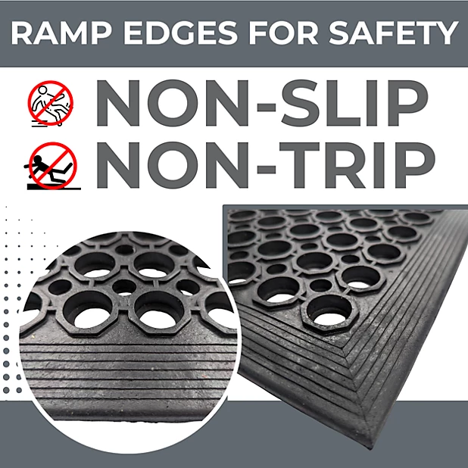
The design of the mat matters too. A surface with suitable grooves or patterns can give water and dirt somewhere to move instead of allowing them to sit directly under shoes.
This can be particularly useful around entrances where a ramp connects outdoor and indoor areas.
Accessibility Starts With Good Planning
Safety and accessibility are closely connected. A ramp should be comfortable and practical for everyone who needs to use it, including people with mobility challenges, parents pushing prams and anyone carrying bags or equipment.
A mat should never create a new obstacle. It needs to sit securely, stay flat and work with the existing ramp rather than becoming something that catches shoes, wheels or mobility aids.
Before adding any matting, check the surface carefully. Look at the slope, available space, drainage and the amount of daily traffic. These details can help determine whether matting is suitable and where it should be positioned.
Think About Rain and Drainage
South African weather can change quickly, and outdoor ramps often have to deal with rain as well as dry dust. Water needs somewhere to go, so drainage should always be considered when improving a sloped area.
A mat with an open or textured structure may help prevent water from sitting directly beneath footwear. However, the surrounding area still needs proper drainage. No mat can solve a drainage problem on its own.
Keeping the ramp and mat clear of leaves, mud and other debris is another simple habit that can make a noticeable difference.
Choosing the Right Mat for the Area
Not every ramp has the same requirements. A small residential ramp may have light traffic, while a commercial building could have people moving through the area all day.
Think about the conditions before choosing a mat. Consider whether it will be indoors or outdoors, how much moisture it will face and whether trolleys, wheelchairs or other wheeled equipment regularly pass over it.
It can also be helpful to speak with a supplier that supplies durable commercial and residential mats for different environments, particularly when the same type of flooring protection is needed across several areas.
Keep Safety as an Ongoing Job
Adding a mat is only one part of keeping a ramp safe. Regular checks are just as important. Look for movement, raised edges, dirt build up or signs of wear.
If something no longer sits properly, it should be dealt with rather than ignored.
A safer ramp is not about making a space complicated. It is about noticing the small things that can affect everyday movement and dealing with them before they become bigger problems. With the right surface, sensible maintenance and a little forward thinking, ramps and sloped areas can remain comfortable, practical and easier for everyone to use.



Leave a Reply